If you run an ecommerce brand, chances are you’ve asked yourself at least one of these questions:
- What should I look for in an ecommerce SEO agency?
- Should I invest in SEO or Amazon PPC — or both?
- Which SEO services actually work for Shopify stores?
- Is SEO even worth it for a D2C brand anymore?
These are fair questions. Ecommerce SEO is crowded with bold promises, confusing jargon, and agencies claiming they can “guarantee rankings”. The reality is more nuanced — and far more strategic.
This article breaks down how to compare ecommerce SEO agencies properly, what to prioritise depending on your business model, and how SEO fits alongside paid channels like Amazon PPC.
1. What Should You Look for in an Ecommerce SEO Agency?
Not all SEO agencies are built for ecommerce — and even fewer are built for your type of ecommerce.
Here’s what genuinely separates strong ecommerce SEO agencies from generic ones.
1. Proven Ecommerce Experience (Not Just SEO Theory)
Ecommerce SEO is fundamentally different from lead-gen SEO.
A credible agency should understand:
- Large-scale product and category architecture
- Indexation challenges (faceted navigation, filters, pagination)
- Revenue attribution, not just traffic
- Conversion rate optimisation alongside rankings
Ask this simple question:
“How do you measure SEO success for an ecommerce brand?”
If the answer is only traffic or rankings, that’s a red flag. The right answer includes revenue, assisted conversions, AOV, and margin impact.
2. Platform-Specific Expertise (Especially Shopify)
If you run Shopify, you don’t need a “platform-agnostic” agency — you need one that knows Shopify’s limitations and opportunities.
Effective Shopify SEO requires:
- Deep understanding of Shopify’s URL structure
- Smart handling of duplicate content (collections, tags, filters)
- Clean internal linking within Shopify’s constraints
- Experience with apps that affect site speed and crawlability
A strong agency will talk confidently about Shopify-specific workarounds, not just generic SEO tactics.
3. Strategy First, Deliverables Second
Many agencies sell SEO like a checklist:
- X blog posts per month
- X backlinks
- X keywords tracked
That’s not strategy — that’s production.
A high-quality ecommerce SEO agency should:
- Start with commercial keyword mapping
- Prioritise categories and products that drive profit
- Align SEO with your stock levels, margins, and seasonality
- Adjust strategy as the business evolves
SEO should support your commercial goals, not exist in isolation.
4. Transparency and Realistic Expectations
If an agency promises:
- Page 1 rankings in 30 days
- Guaranteed revenue growth
- “Secret” Google methods
Walk away.
SEO is powerful — but it’s cumulative, competitive, and dependent on execution. The best agencies explain:
- What can be achieved
- What cannot be guaranteed
- What will take time — and why
Trust is built through clarity, not hype.
2. SEO vs Amazon PPC: Which Should Ecommerce Brands Choose?
This is one of the most common dilemmas for ecommerce brands — especially those selling on both their own site and Amazon.
The truth is: SEO and Amazon PPC are not competitors. They’re tools for different stages of growth.
When Amazon PPC Makes More Sense
Amazon PPC is ideal if:
- You need fast visibility
- You’re launching new products
- You’re in a highly competitive Amazon category
- You want immediate sales data
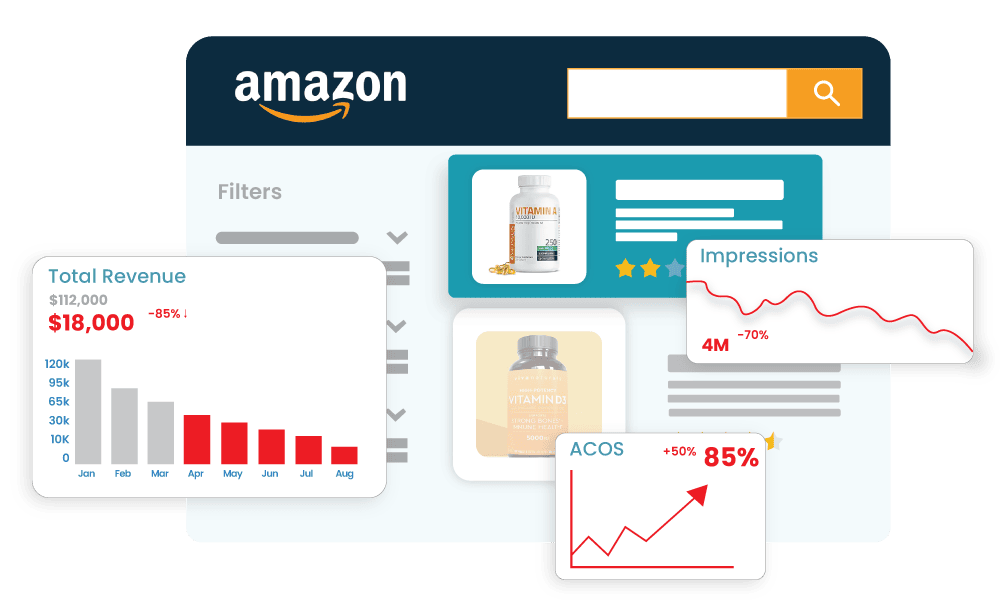
The downside? The moment you stop paying, visibility disappears.
Amazon PPC is rent, not ownership.
If Amazon advertising is part of your growth plan, it’s worth understanding what “good” looks like — not just what spends budget. You can explore Lezzat’s Amazon PPC offering here: Amazon PPC Management Agency.
When SEO Is the Smarter Long-Term Play
SEO is better suited if:
- You want sustainable, compounding traffic
- You’re building a long-term D2C brand
- You want to reduce reliance on paid media
- You care about brand authority and trust
SEO builds an asset. Amazon PPC fuels momentum.
The Best Brands Don’t Choose — They Combine
High-performing ecommerce brands use:
- Amazon PPC to accelerate growth and defend listings
- SEO to build brand equity, diversify traffic, and protect margins
A strong agency will help you balance both, not push one channel blindly.
3. Comparing SEO Services for Shopify: What’s Actually Effective?
Shopify SEO is often misunderstood. Let’s separate what sounds good from what actually works.
What Matters Most for Shopify SEO
1. Category-Led SEO (Not Blog-Heavy SEO)
For e-commerce, categories outperform blogs in commercial intent.
Effective Shopify SEO focuses on:
- Optimised collection pages
- Strong category content (not keyword stuffing)
- Clear internal linking from collections to products
- Supporting content only where it adds value
Blogs help — but they are not the core revenue driver.
2. Technical SEO That’s Practical
You don’t need endless audits. You need:
- Fast loading pages (Core Web Vitals matter)
- Clean indexation
- Logical internal linking
- Minimal crawl waste
A good agency fixes what actually impacts rankings, not just what looks impressive in reports.
3. Content Written for Buyers, Not Algorithms
SEO content that doesn’t convert is wasted effort.
Effective ecommerce content:
- Matches search intent precisely
- Answers buyer objections
- Supports product discovery
- Reinforces trust and authority
Ranking without converting is meaningless.
4. Authority Building That’s Brand-Safe
Backlinks still matter — but how you get them matters more.
Avoid agencies that rely on:
- Private blog networks
- Spammy directories
- Irrelevant links at scale
Instead, look for:
- Digital PR
- Partnerships
- Editorial placements
- Brand-aligned authority building
Google rewards credibility, not shortcuts.
If you want to see the sort of work that supports sustainable growth, you can browse Lezzat’s examples here: Case Studies.
4. Is SEO Worth It for a D2C Store?
Short answer: Yes — but only if it’s done properly.
SEO fails when:
- It’s treated as a quick win
- It’s disconnected from business goals
- It’s outsourced with no collaboration
- It’s measured only by traffic
SEO succeeds when:
- It’s integrated into your growth strategy
- It aligns with product, pricing, and brand
- It compounds over time
- It reduces dependency on paid channels
For D2C brands especially, SEO is often the difference between:
- Constantly chasing ROAS
- Or building a predictable, defensible acquisition channel
In a world of rising ad costs, SEO is no longer optional — it’s a risk management strategy.
5. How to Compare Ecommerce SEO Agencies (A Simple Framework)
Before choosing an agency, ask these five questions:
- Do they specialise in ecommerce — specifically my platform?
- Can they explain SEO in commercial terms, not just technical ones?
- Do they adapt strategy based on margins, products, and seasonality?
- Are they honest about timelines and limitations?
- Do they see SEO as part of a wider growth system?
If the answer is “yes” across the board, you’re likely speaking to a serious partner — not just a service provider.
Final Thoughts: SEO Is Not a Tactic — It’s a Business Decision
Choosing an ecommerce SEO agency isn’t about finding someone who can “do SEO”.
It’s about finding a partner who understands:
- How ecommerce actually makes money
- How platforms like Shopify and Amazon really work
- How SEO fits into your wider acquisition strategy
When done right, SEO becomes one of the highest-ROI channels available to ecommerce brands — especially D2C businesses looking to scale sustainably.
The key isn’t whether SEO works. It’s who you trust to execute it properly.
Next Step: Reach Out to Lezzat
If you’re weighing up agencies and want a straight answer on what will move the needle for your brand, reach out to Lezzat. We help ecommerce and D2C businesses build SEO systems that compound — combining technical foundations, intent-led optimisation, and content that’s designed to convert (not just rank). If you want to explore what that looks like in practice, start with our SEO Service page, or speak with the team directly via Contact Us. If you’d prefer to begin with a quick, structured discussion about priorities, timelines, and the most commercially sensible next move, you can also book a call here: Free Consultation.